

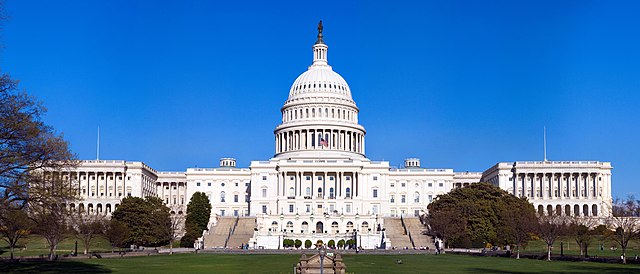
In a decisive move to keep Uncle Sam’s lights on, the House passed a stopgap funding bill, dodging a government shutdown for now.
At a Glance
- Both the House and Senate approved a measure to temporarily fund federal operations and disaster aid.
- The measure excludes any increase in the debt ceiling, contrary to what President-elect Donald Trump demanded.
- House Speaker Mike Johnson pledged Congress would avoid a shutdown before Christmas.
- President Joe Biden is expected to sign the bill into law soon.
Bipartisan Effort Provides Temporary Relief
The specter of a government shutdown loomed large until the House and Senate rallied to pass a stopgap measure. By a significant vote of 366-34 in the House and 85-11 in the Senate, the funding bill promises to keep federal operations running through March 14. This is a crucial timeframe to resolve ongoing fiscal negotiations without burdening citizens with the consequences of a shutdown.
Despite this temporary fix, the omission of a debt ceiling increase from the bill falls short of Trump’s demands. His stance added tension to the debate, and signals from Trump’s circle suggest a willingness to stand firm, even risking a shutdown. House Speaker Mike Johnson, however, expressed confidence, stating, “This is a good outcome for the country.”
Diverse Political Dynamics at Play
President-elect Donald Trump’s demand for a debt ceiling hike was notably removed from the bill. This maneuver showcases intricate political compromises, highlighting the extensive negotiations behind this measure. Meanwhile, Trump allies, including Elon Musk, have influenced the legislative dynamics, stirring the pot and predicting significant impacts on future fiscal policies.
In terms of numbers, this temporary funding proposal includes $100 billion for disaster aid and $10 billion for agricultural assistance—much-needed relief for areas grappling with calamities. The assessment of further fiscal needs managed to maintain bipartisan support, though the debate wasn’t without its critics, particularly among conservatives and House Democrats.
Pathway Ahead Amid Uncertainty
Looking toward 2024, Republicans have indicated intentions to tackle the debt ceiling alongside substantial tax cuts and border packages. These notions align with the incoming Trump administration’s plans to reduce the federal budget and workforce, potentially heralding significant shifts in government policy and operation.
For now, government workers can breathe a sigh of relief, as jobs remain secure with no disruption to military salaries. However, the upcoming fiscal calendar poised on this temporary hold means these matters will resurface soon. As politicians continue to clash over financial paths, everyday Americans remain hopeful for lasting resolutions that transcend partisan gridlock.
Sources:
https://www.youtube.com/watch?v=0XIeSCfHCh0